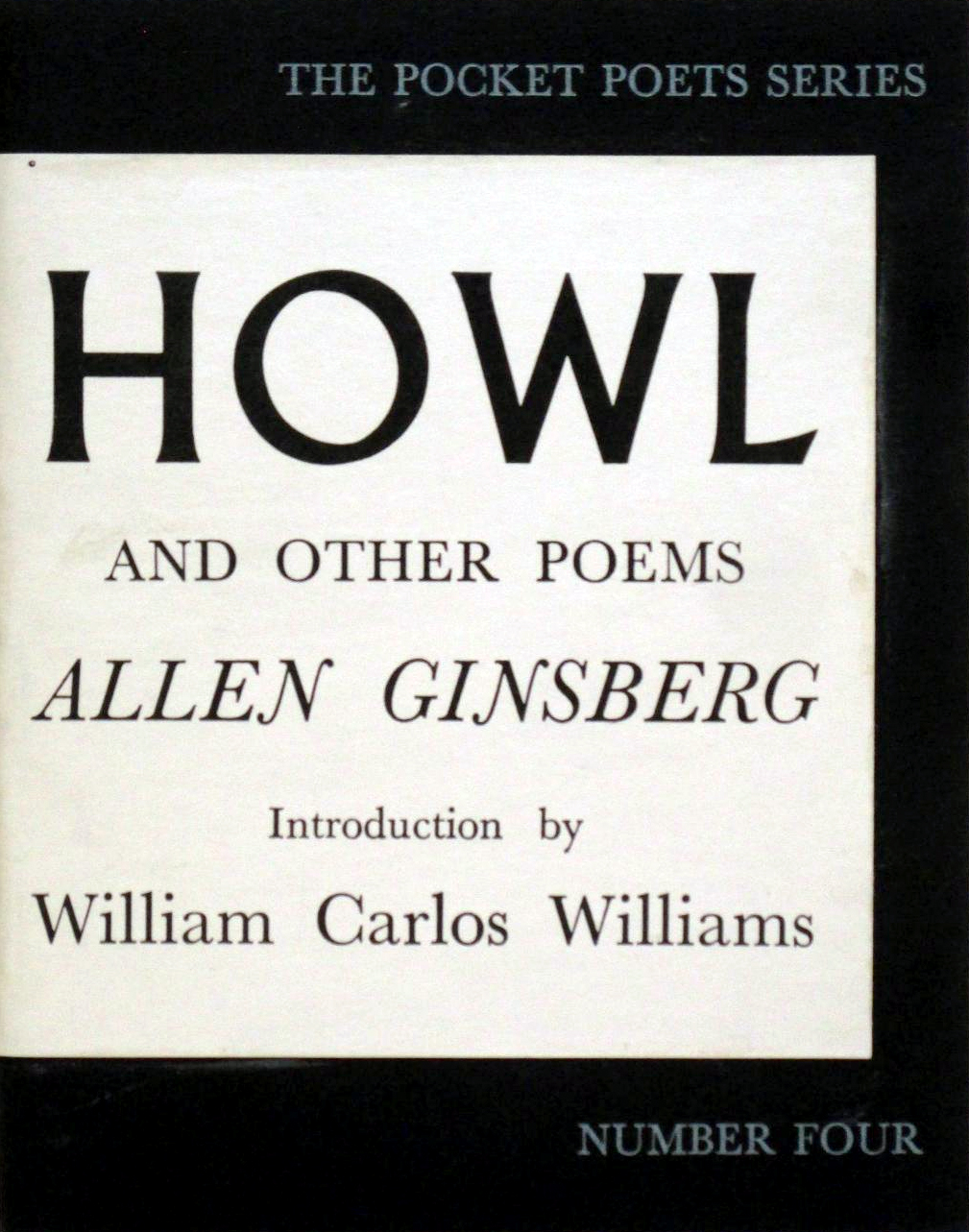
Allen Ginsberg's "Howl" opens with "I saw the best minds of my generation destroyed by madness."
Howl (poem)
Allen Ginsberg's "Howl" opens with "I saw the best minds of my generation destroyed by madness."
Despite initial controversy and exclusion from the academic canon, "Howl" has become a significant work of twentieth-century American literature. The poem is closely associated with the Beat Generation, a group of writers who sought to challenge societal norms and explore new forms of expression.
The opening line of "Howl" sets the tone for the poem's exploration of mental illness and societal pressures, highlighting the struggles faced by Ginsberg's generation.
Related concepts
Dickinson's dashes do
Dickinson's dashes fracture syntax to mirror the fluidity of thought
New Criticism
New Criticism focused on the poem as an autonomous object
Celan's 'Death Fugue' does
Celan's 'Death Fugue' poetically captures the Holocaust's horrors through the oppressors' linguistic framework
Rimbaud's 'systematic derangement of all the senses' sought
Rimbaud's 'systematic derangement of all the senses' sought a new poetic language through extremity
Proust's madeleine scene in In Search of Lost Time demonstrates
Proust's madeleine scene exemplifies involuntary memory triggered by taste
Spivak's 'Can the Subaltern Speak?' asks
Spivak's 'Can the Subaltern Speak?' questions if marginalized voices can be heard within dominant discourse
One email a day: 5 concepts + the 5 stories that matter →
Swipe through 100 ML concepts daily
Open TickerNews