Tolstoy's War and Peace argues that history is shaped by events, not great men
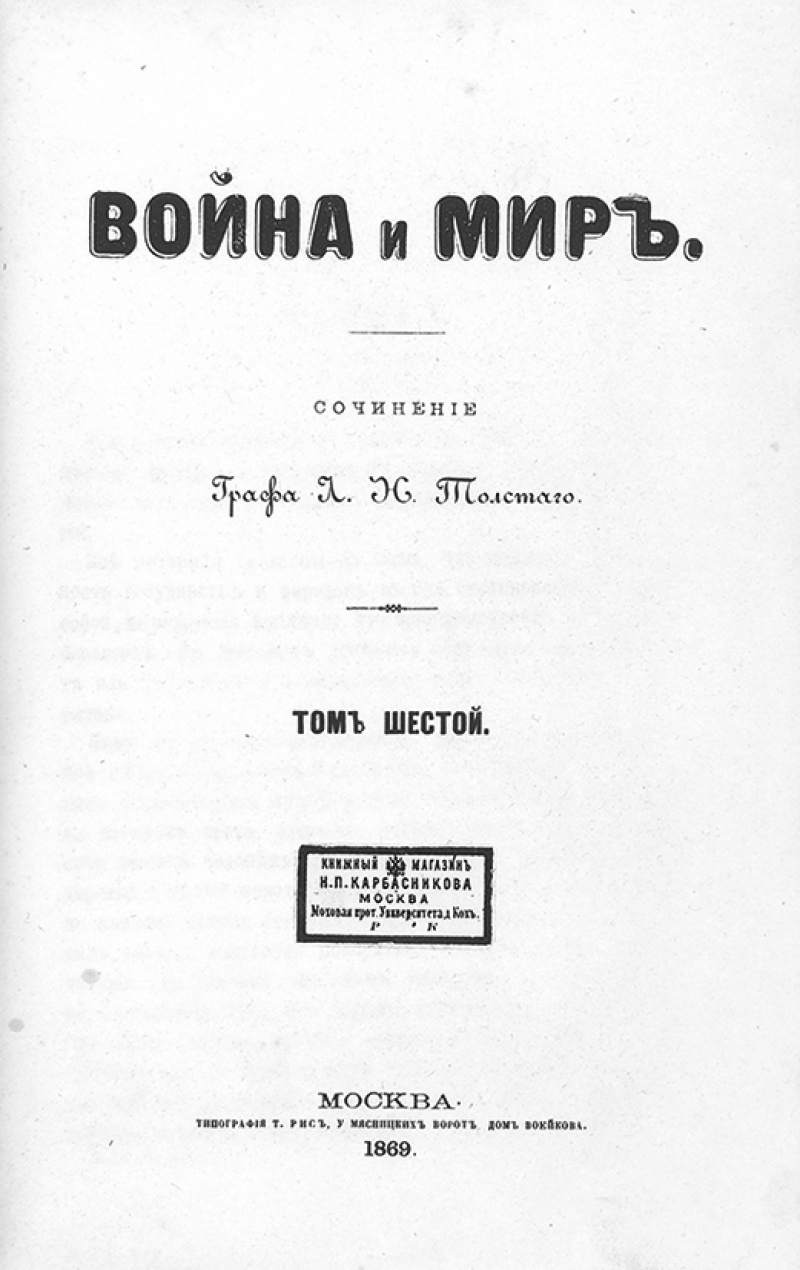
War and Peace
Tolstoy's War and Peace argues that history is shaped by events, not great men
Tolstoy's War and Peace challenges the notion that history is shaped by great men. Instead, it emphasizes the impact of events on society and individuals. Tolstoy's narrative demonstrates how events, rather than individual actions, drive historical change.
Example
The novel's interlocking narratives follow different Russian aristocratic families, illustrating how Napoleon's invasion affects Tsarist society as a whole.
This perspective is significant as it shifts the focus from individual heroism to the broader forces of history, providing a deeper understanding of historical processes.
Related concepts
the Romantics (Wordsworth, Keats, Shelley) elevated
Romantics valued imagination and feeling over reason and convention
Demons (Dostoevsky novel)
"Demons" was Dostoevsky's response to the rise of nihilism in 1860s Russia
The Land (poem)
"The Waste Land" captures the spiritual desolation of post-World War I Europe
Chekhov's plays pioneer
Chekhov pioneered "subtext-driven drama," where tension lies in unspoken thoughts and emotions
Iliad
The Iliad centers on Achilles' wrath
Nabokov's Lolita forces the reader to confront
Nabokov's Lolita forces the reader to confront seductive prose in the service of a monster's self-justification
One email a day: 5 concepts + the 5 stories that matter →
Swipe through 100 ML concepts daily
Open TickerNews